
We Compared 5 Popular Ways to Get Your Blood Sugar Back to Normal. Which One Is Currently #1?
Five common approaches to lowering blood sugar, compared on effectiveness, safety, cost and whether you could realistically stick with them.
Close readings of individual studies, systematic reviews and clinical guidelines — what was measured, in whom, and how much weight the result can carry.
Five common approaches to lowering blood sugar, compared on effectiveness, safety, cost and whether you could realistically stick with them.

A short walk after eating sounds too simple to matter. But controlled studies suggest that moving while glucose is entering the bloodstream meaningfully reduces the post-meal rise.

Skeletal muscle is one of the body's major destinations for glucose. As muscle becomes harder to maintain with age, preserving and using it matters more for blood sugar control.

One short night won't change your A1C, but controlled experiments show that a single night of restricted sleep can temporarily reduce insulin sensitivity and raise glucose.

Blood sugar does not come only from food. During stress, hormones can signal the liver to release stored glucose and make tissues temporarily less responsive to insulin.

Intermittent fasting can help some people with type 2 diabetes lose weight and improve A1C. But much of the benefit may come from eating less overall, not from fasting itself.
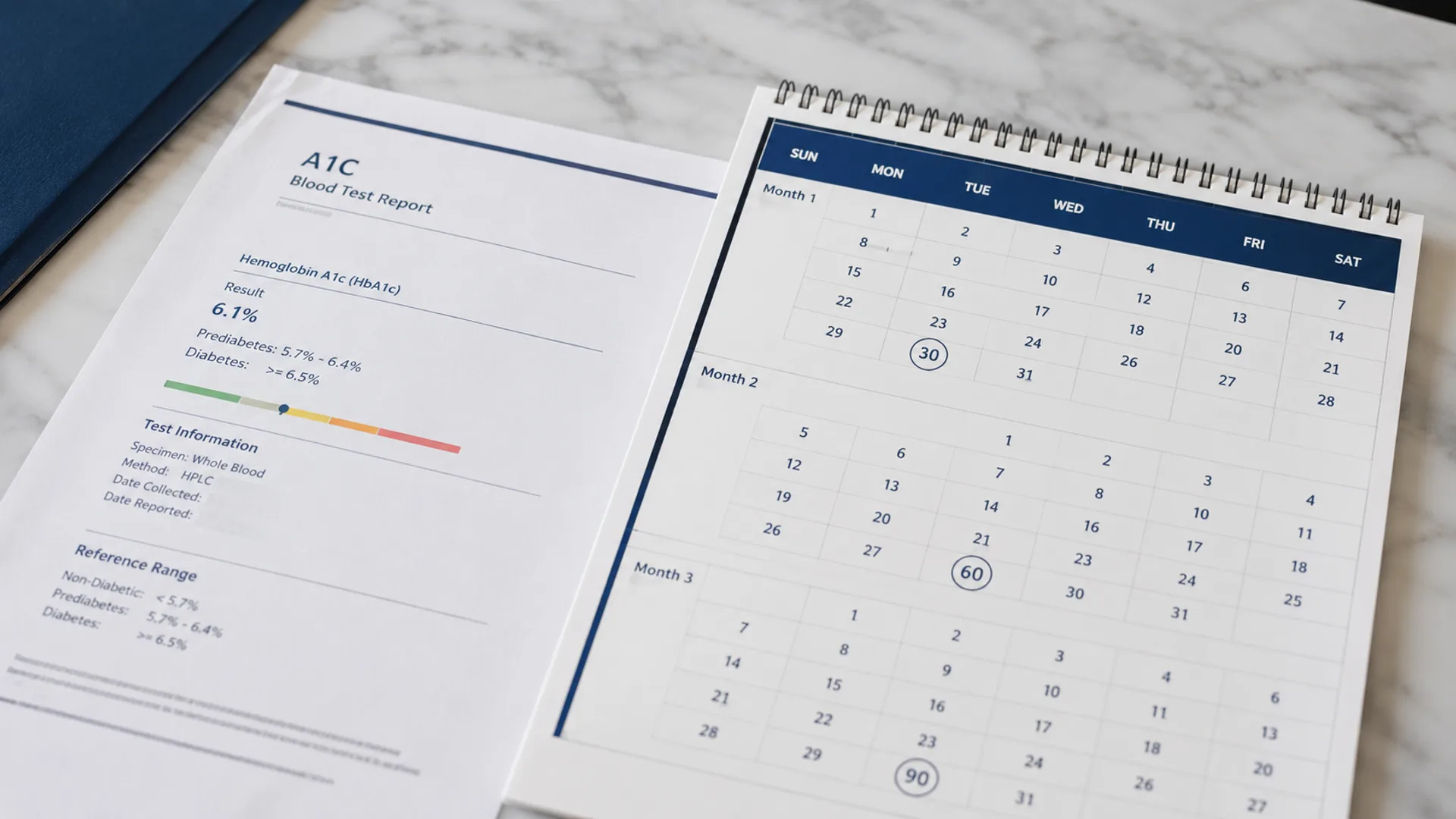
A1C reflects roughly two to three months of glucose exposure, but it doesn't wait 90 days to move. Recent glucose counts for more, so change can show up within weeks.

Yes. Blood sugar can improve quickly when energy intake, liver glucose production, activity or treatment changes — often well before major weight loss appears on the scale.
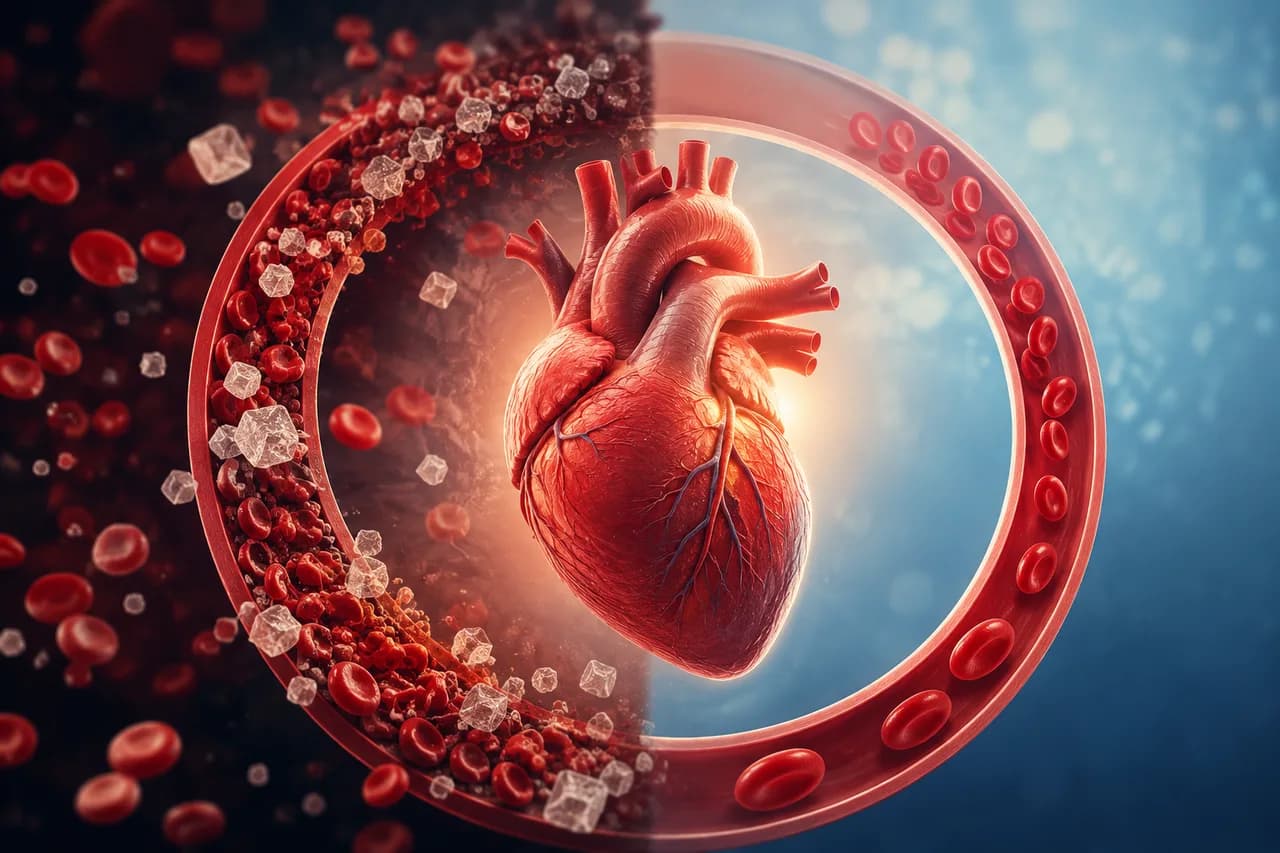
People who brought elevated blood sugar back into the normal range had a dramatically lower risk of cardiovascular death or heart failure decades later.
Practical, sourced writing on blood sugar and metabolic health. One email a week.
One email a week. Unsubscribe any time. See our privacy policy.