
What A1C Actually Measures — and What It Can Miss
A1C is one of the most useful numbers for understanding blood sugar, but it is still an average. Here is what the test actually measures — and what it cannot tell you.
Plain-language reporting on blood sugar, A1C, insulin resistance and type 2 diabetes — what the measurements mean, what the research shows, and where the evidence runs out.
A1C is one of the most useful numbers for understanding blood sugar, but it is still an average. Here is what the test actually measures — and what it cannot tell you.
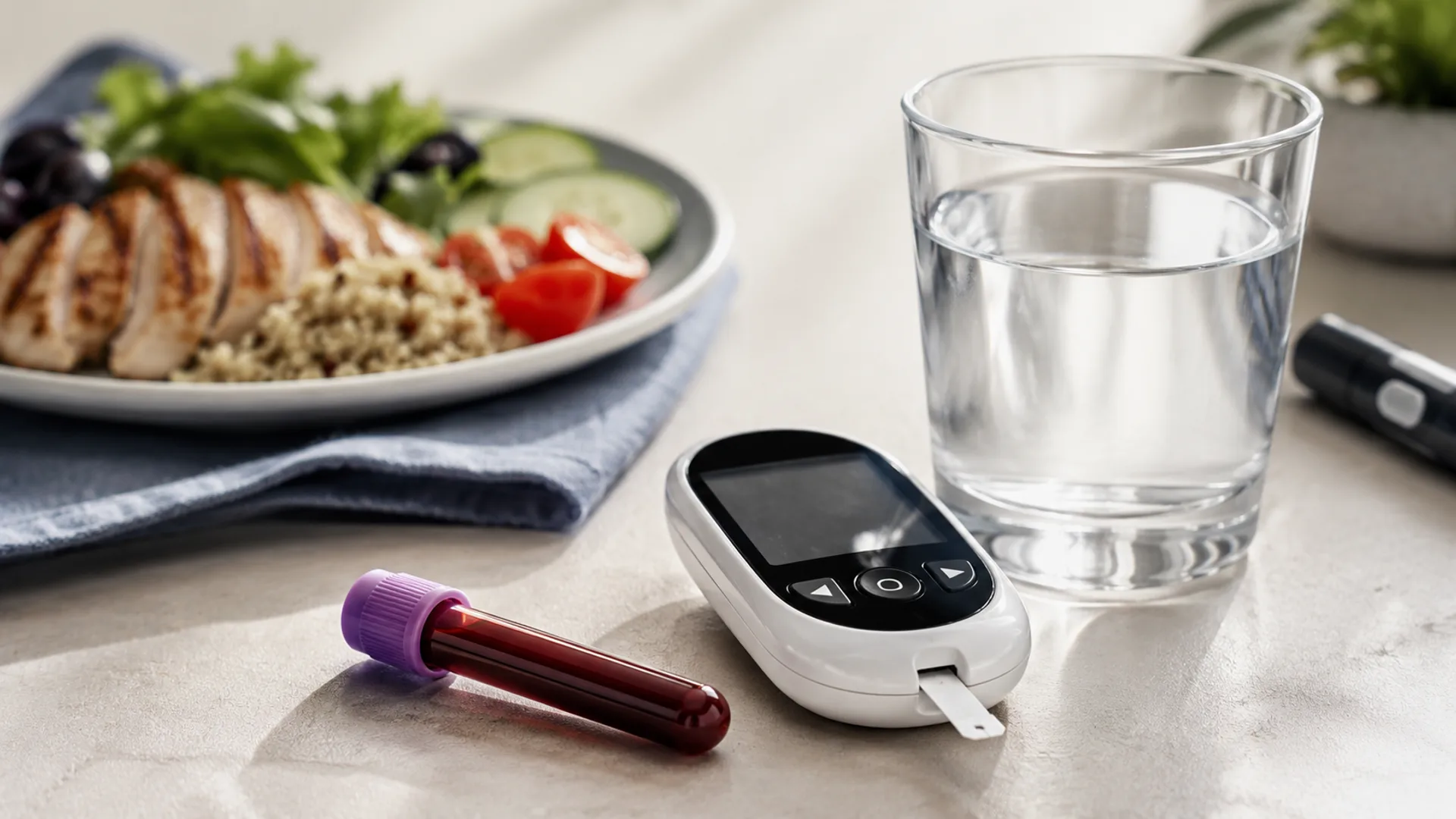
Your A1C can look good while your morning glucose runs high — or fasting glucose can look normal while it spikes after meals. These numbers measure different things.

You haven't eaten all night, yet your glucose is higher when you wake up. The explanation has less to do with breakfast than with your liver and early-morning hormones.
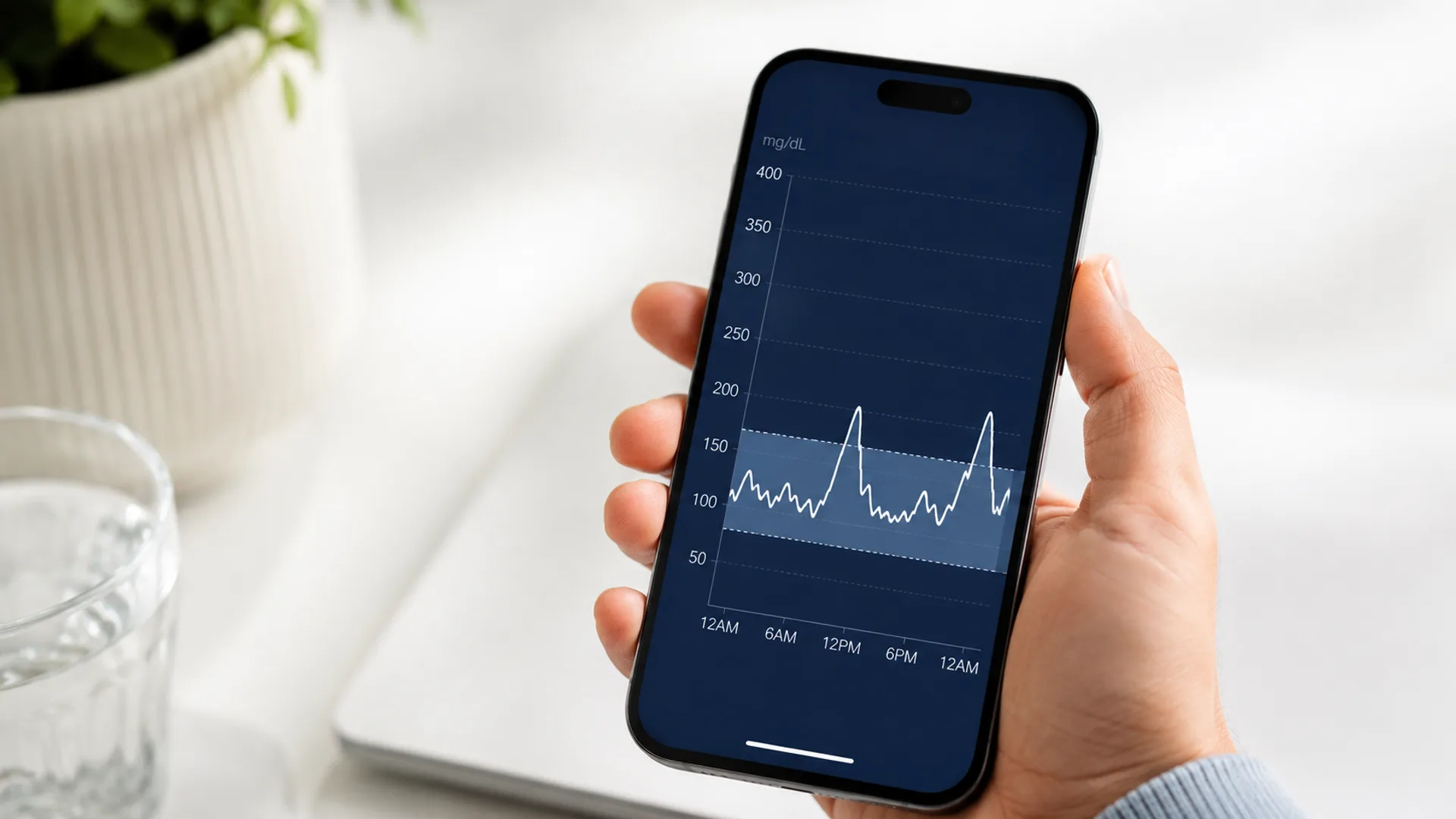
Two people can have the same A1C while spending very different amounts of their day with high, low, or stable glucose. Time in Range shows what the average leaves out.
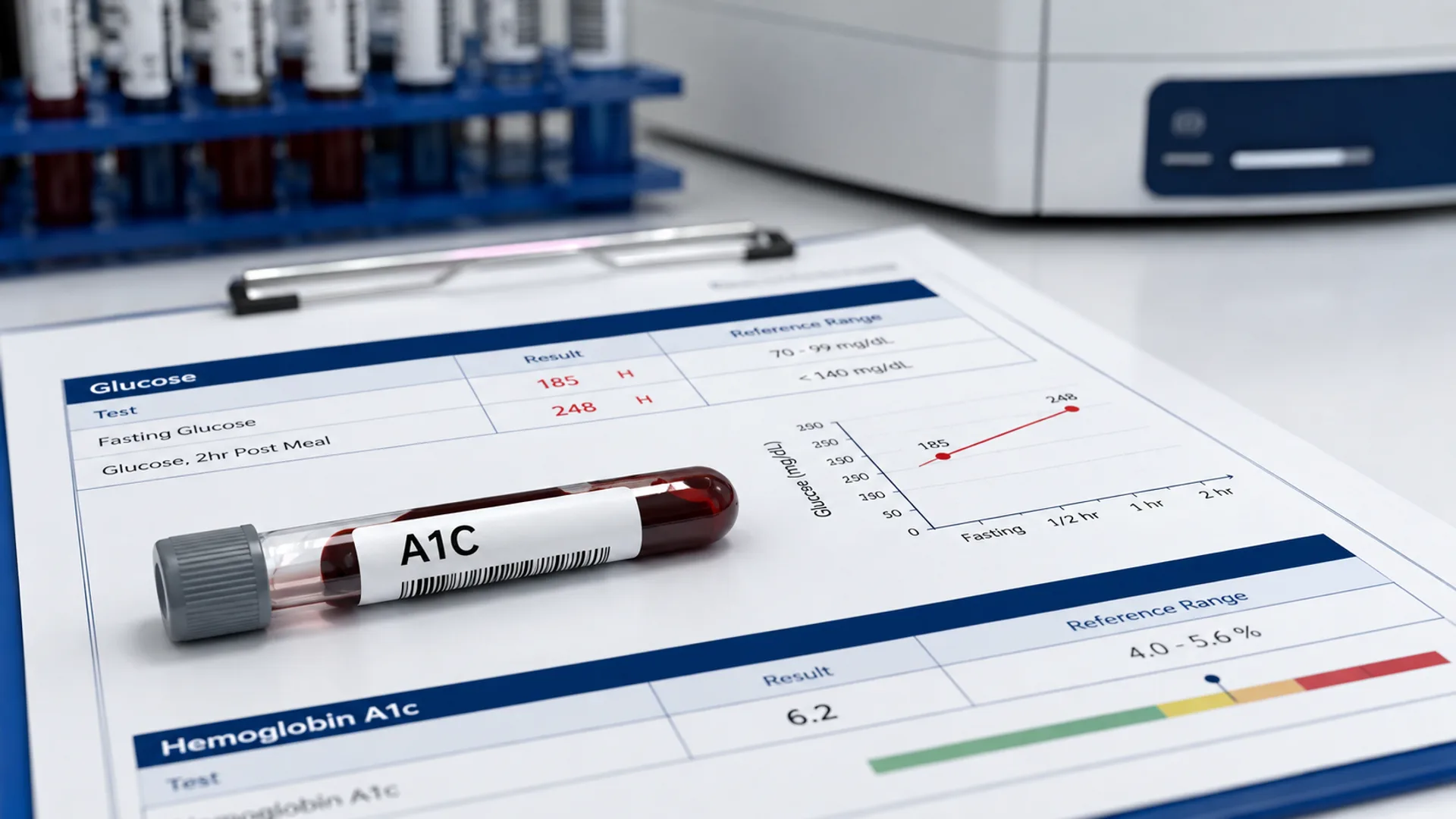
A1C is one of the most useful blood sugar tests — but it depends on red blood cells as well as glucose, so it can read higher or lower than your actual glucose exposure.

Type 2 diabetes remission has a specific medical definition. An A1C below 6.5% without glucose-lowering medication can qualify — but remission is not the same thing as being cured.

Body fat is not metabolically identical everywhere. Excess fat in and around the liver is strongly linked to insulin resistance, and losing it tracks with better glucose control.

A1C is important, but it can't tell you everything about your glucose patterns, heart risk or kidney health. Here are seven other numbers that reveal what A1C misses.

Insulin resistance doesn't work the same way everywhere. What goes wrong in muscle differs from what happens in the liver — and fat cells may influence both.

Blood sugar can stay normal for years while the body makes more insulin to compensate — one reason insulin resistance can develop before prediabetes shows up on bloodwork.

A healthy metabolism doesn't run on one fuel all day. It continually adapts between glucose and fat depending on whether you've eaten, fasted, exercised, or rested.

Blood pressure has two numbers, but they do not carry equal information at every age. As arteries stiffen with aging, systolic pressure often becomes the more important signal.

LDL, HDL and triglycerides are grouped together on a lipid panel, but they represent different particles and different kinds of cardiovascular information.
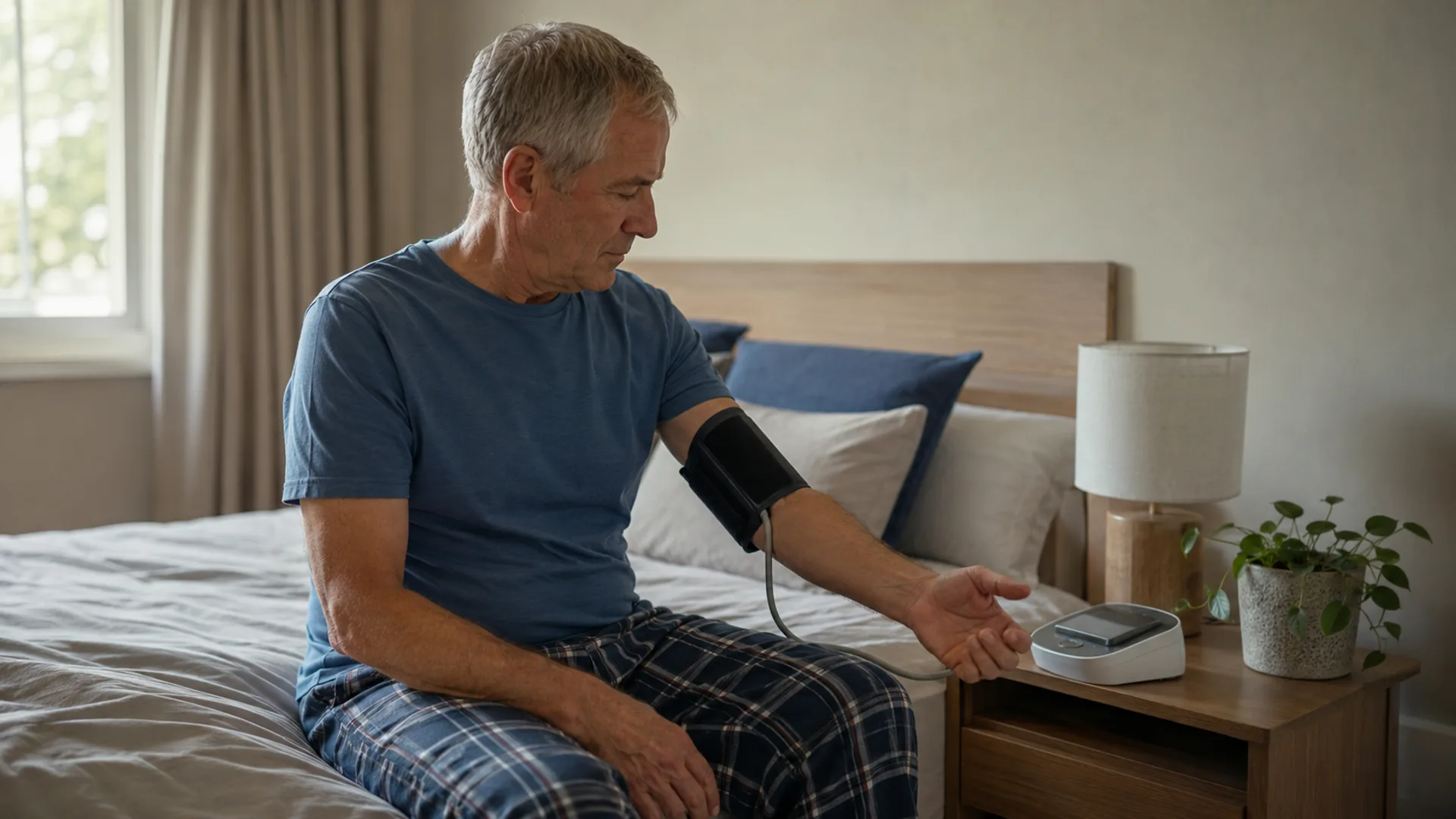
Blood pressure follows a 24-hour rhythm. For many people it falls during sleep, then rises around waking as the nervous system and hormones prepare the body for activity.

Walking is simple, but controlled trials show it can produce measurable reductions in blood pressure, especially when done consistently at a moderate pace.

A resting heart rate between 60 and 100 beats per minute is normal for most adults, but your baseline, fitness, medications, and rhythm often matter more than one number.

Muscle loss with age is real, but the common claim that everyone loses 1–2% of muscle every year after 50 oversimplifies the evidence. Strength often falls faster than muscle mass.

Grip strength is quick to measure but reflects far more than the hand. Large studies link weaker grip with disability, cardiovascular events, and mortality.

Rising from the floor is a surprisingly demanding movement that combines strength, power, mobility, balance, coordination, and confidence. Aging can affect all of them at once.

The adult RDA is 0.8 g/kg per day, but many aging and nutrition experts recommend roughly 1.0–1.2 g/kg for healthy older adults, particularly when preserving muscle is a priority.

A few meters of ordinary walking can reveal how muscles, balance, nerves, heart, lungs, and brain are working. That is why gait speed has become a marker of healthy aging.

Waking during the night becomes more common with age, but 3 A.M. is not a mysterious biological danger zone. Sleep naturally becomes easier to interrupt as the night progresses.

Older adults often sleep differently, but that does not necessarily mean they need less sleep. Most still need roughly seven to nine hours.

Snoring is common and does not automatically mean sleep apnea. But loud snoring with breathing pauses, gasping, or daytime sleepiness can signal airway collapse during sleep.

Short afternoon naps can improve alertness and reduce fatigue, while longer or later naps are more likely to cause grogginess and may reduce nighttime sleep pressure.

The stress response is useful when you need it for minutes. Problems develop when cardiovascular, hormonal, immune, and behavioral systems stay activated for weeks or months.

Two people can weigh exactly the same and carry that weight very differently. Waist circumference adds information the scale and even BMI can miss.

Belly fat can include subcutaneous fat under the skin and deeper visceral fat around the organs. The deeper compartment is more strongly associated with cardiometabolic risk.

Body weight is only the total. It cannot tell whether you are losing fat, gaining muscle, shrinking your waist, or improving fitness.

After weight loss, appetite tends to rise while energy needs fall. These biological adaptations help explain why maintaining a lower weight can be harder than reaching it.

Weight loss usually includes some lean tissue, but resistance training, adequate protein, and a sensible calorie deficit can shift much more of the loss toward fat.
Practical, sourced writing on blood sugar and metabolic health. One email a week.
One email a week. Unsubscribe any time. See our privacy policy.