The same food doesn't always produce the same glucose response in two people. Insulin sensitivity, meal composition, activity, sleep and the gut microbiome may all play a role.
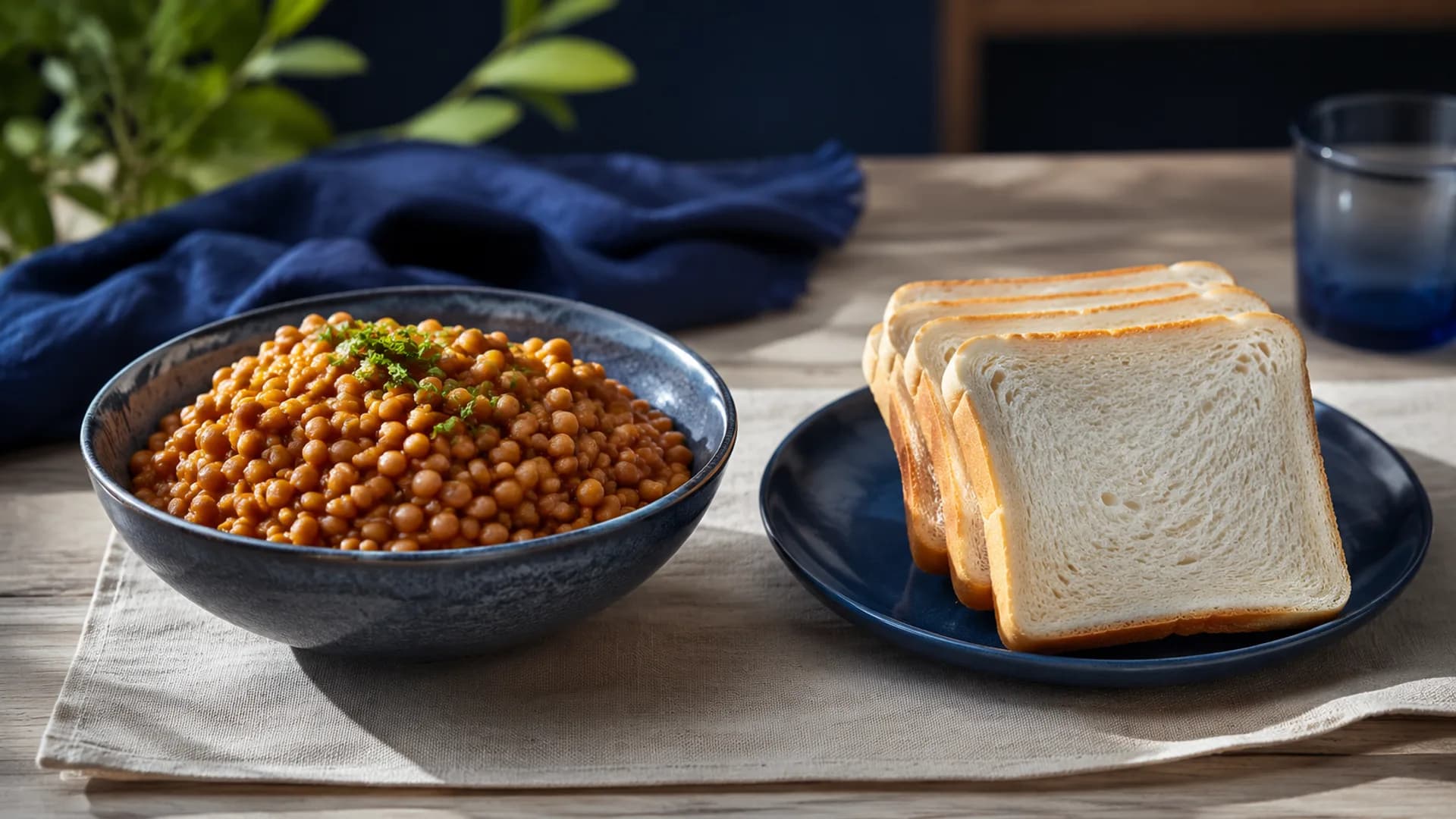
Two foods can contain the same carbohydrate amount and still produce very different glucose responses. Fiber, structure, resistant starch and processing change how fast it arrives.
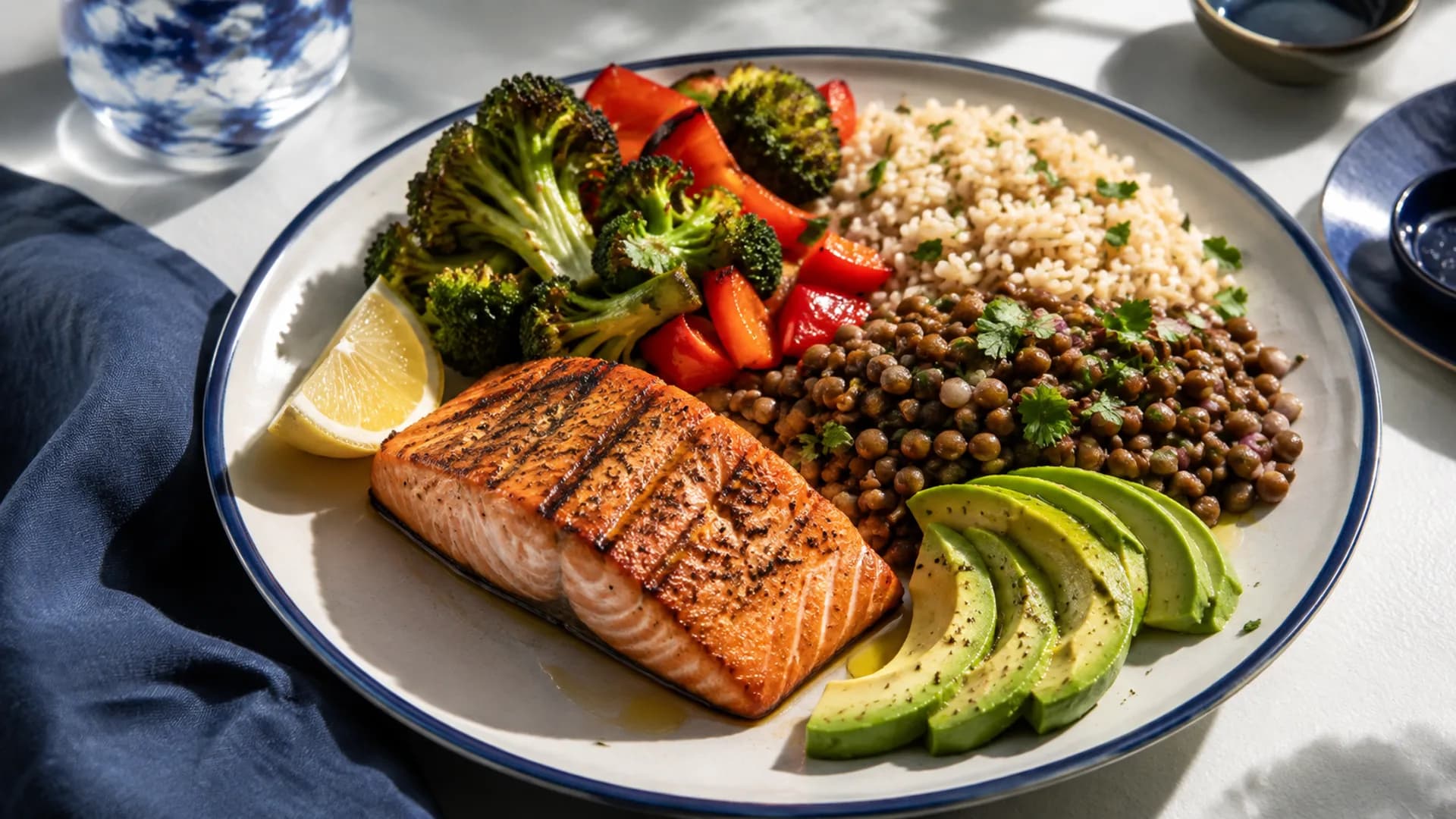
Carbohydrate drives much of the immediate glucose rise, but protein, fat and fiber change how quickly glucose appears, how much insulin is released, and what follows hours later.
Beans, berries, soda and packaged snack cakes all contain carbohydrate, but they are not metabolically equivalent. Processing changes far more than the number on the label.
Egg yolks are high in dietary cholesterol, and trials show they can raise LDL in some people. But moderate intake has generally not been linked to higher cardiovascular risk.
Olive oil is rich in unsaturated fat, and extra-virgin varieties also contain polyphenols. The strongest evidence supports using it to replace less favorable fats.
Moderate coffee intake is consistently linked to favorable long-term health outcomes, but timing, brewing method, dose, and what you add to the cup can change the picture.
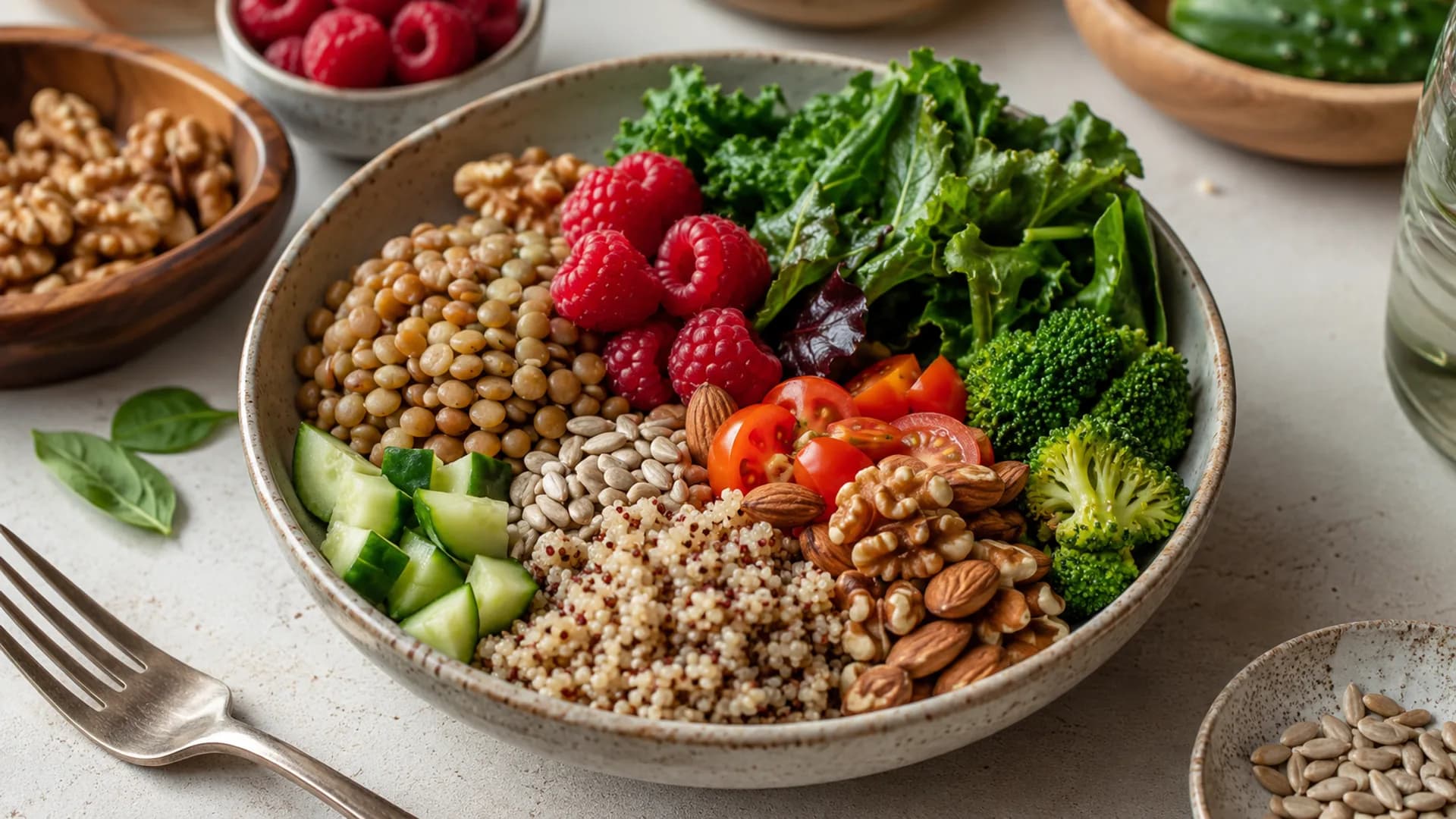
Fiber does far more than keep you regular. Different types can influence cholesterol, digestion, fullness, and the microbes living in your gut.
Most people eat little protein at breakfast and far more at dinner. Spreading it more evenly may help aging muscle, but total daily intake and resistance training matter more.