
How Much Muscle Do You Actually Lose After 50?
Muscle loss with age is real, but the common claim that everyone loses 1–2% of muscle every year after 50 oversimplifies the evidence. Strength often falls faster than muscle mass.
Muscle, strength, mobility and physical reserve across later life, and the research on what holds them steady.
Muscle loss with age is real, but the common claim that everyone loses 1–2% of muscle every year after 50 oversimplifies the evidence. Strength often falls faster than muscle mass.
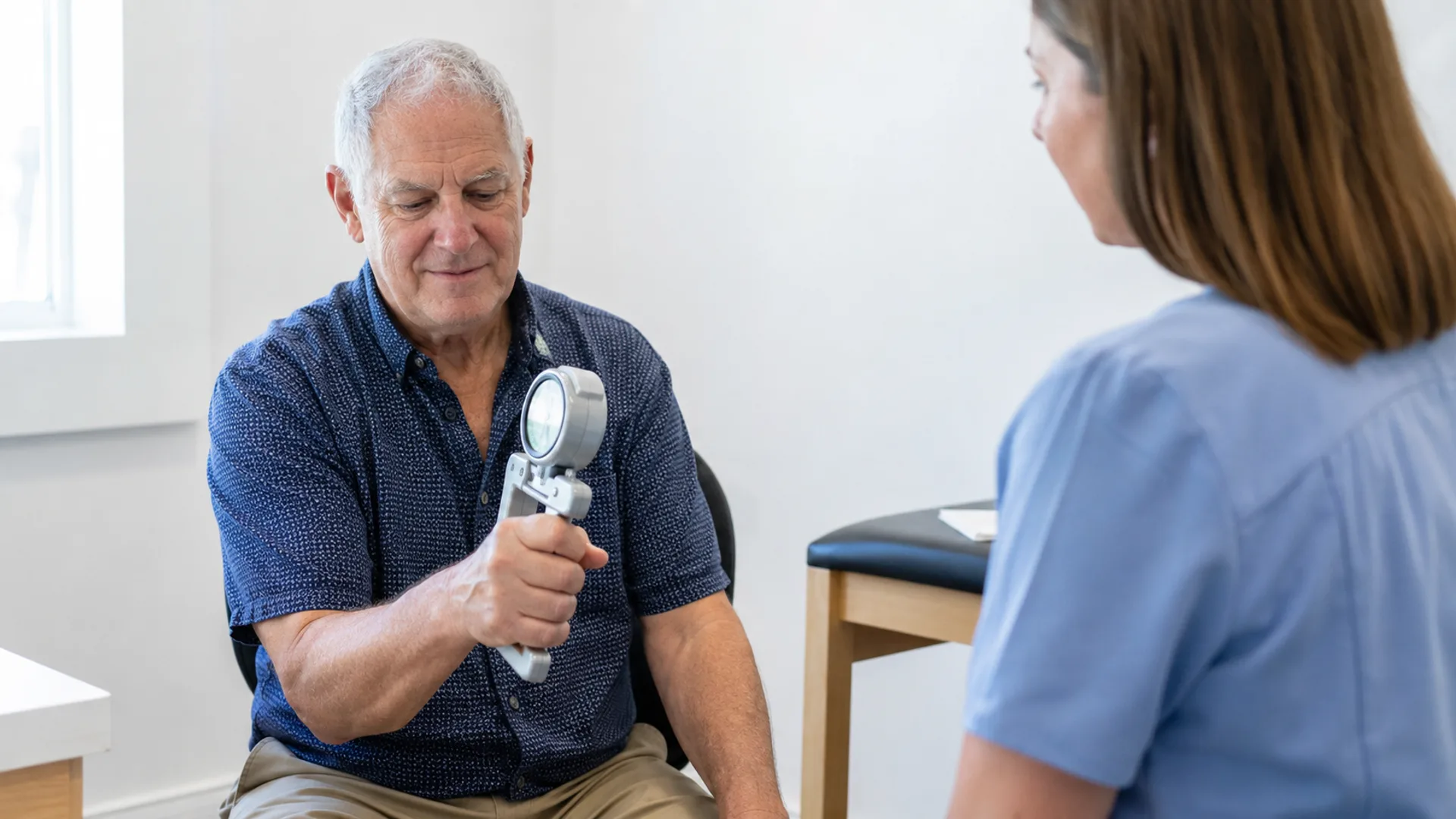
Grip strength is quick to measure but reflects far more than the hand. Large studies link weaker grip with disability, cardiovascular events, and mortality.
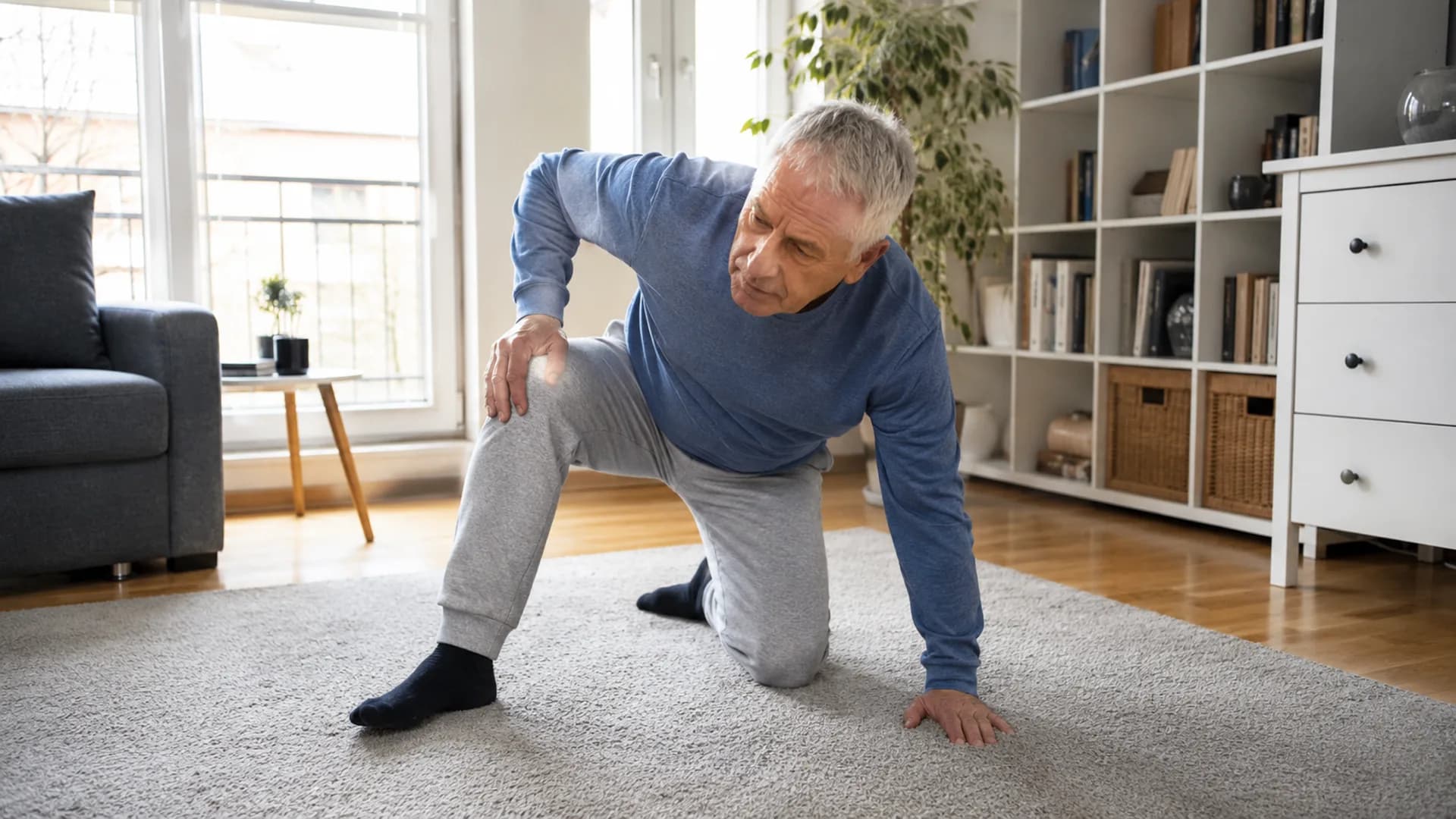
Rising from the floor is a surprisingly demanding movement that combines strength, power, mobility, balance, coordination, and confidence. Aging can affect all of them at once.
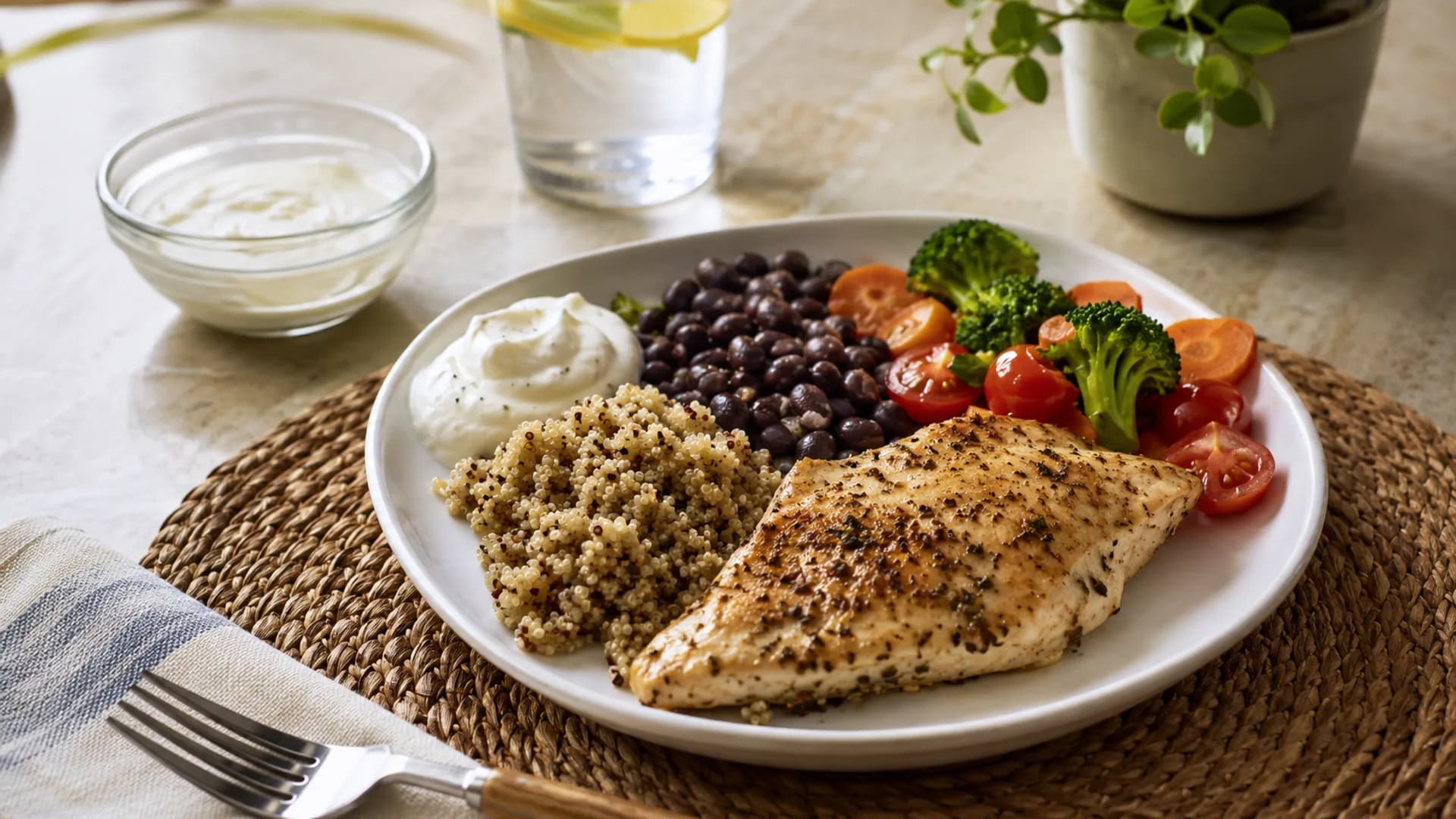
The adult RDA is 0.8 g/kg per day, but many aging and nutrition experts recommend roughly 1.0–1.2 g/kg for healthy older adults, particularly when preserving muscle is a priority.
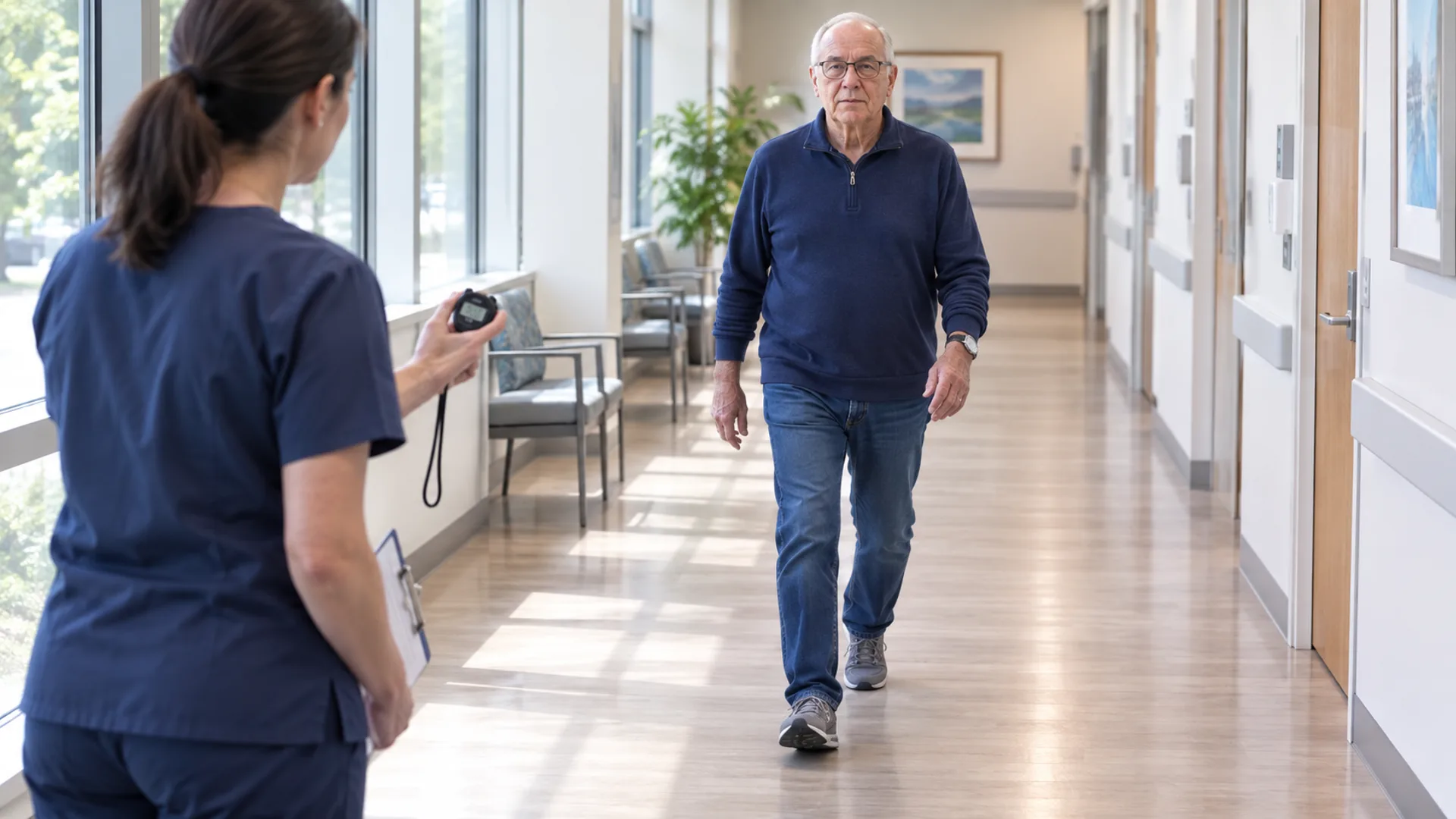
A few meters of ordinary walking can reveal how muscles, balance, nerves, heart, lungs, and brain are working. That is why gait speed has become a marker of healthy aging.
Practical, sourced writing on blood sugar and metabolic health. One email a week.
One email a week. Unsubscribe any time. See our privacy policy.